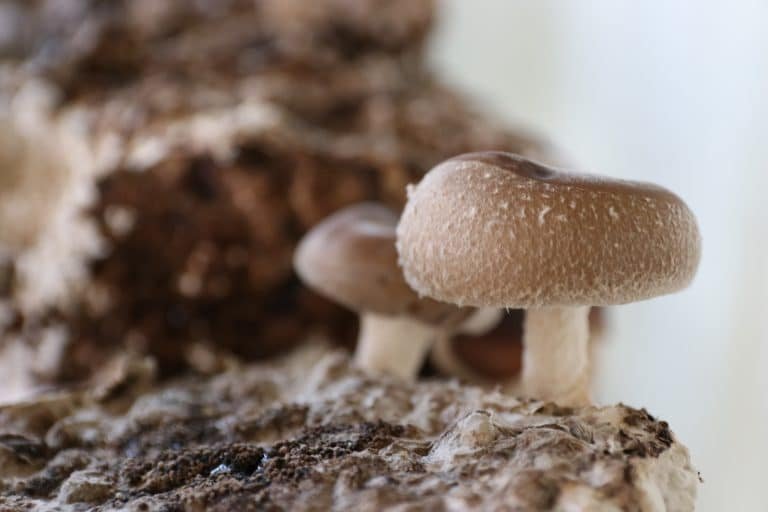
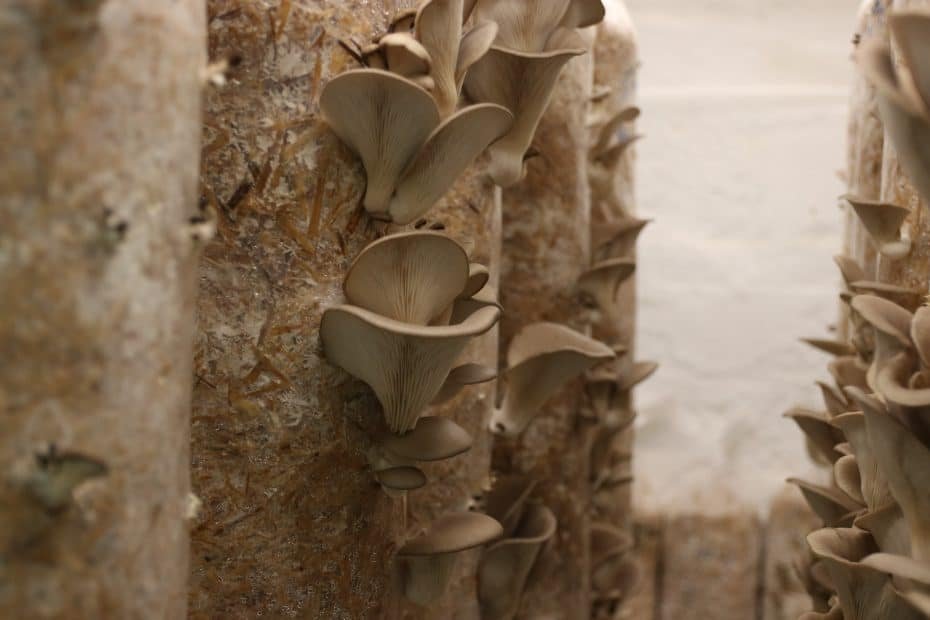
Edible mushrooms occupy a fascinating niche in food science. Neither plants nor animals, fungi belong to their own biological kingdom with a distinct biochemistry. Among the compounds researchers measure in culinary mushrooms, ergothioneine (L-ergothioneine) stands out. It is barely present in ordinary fruit and vegetables, but abundant in gourmet mushrooms, and oyster mushrooms (Pleurotus species) rank near the top among cultivated varieties.
In short
- Ergothioneine is a sulphur-containing derivative of the amino acid histidine that only fungi and certain bacteria can make.
- Among cultivated mushrooms, oyster mushrooms are in the top tier at roughly 1 to 4 mg per gram of dry weight. Button mushrooms contain much less.
- Ergothioneine is heat-stable but water-soluble: sear your mushrooms or keep the cooking liquid.
What Is Ergothioneine?
Chemically, ergothioneine is a naturally occurring, sulphur-containing derivative of the amino acid histidine. The French pharmacist and chemist Charles Tanret first isolated it in 1909 from the ergot fungus (Claviceps purpurea), which gave the molecule its name.
What makes ergothioneine unusual comes down to how it is produced in nature:
- Made only by fungi and bacteria: Only fungi and certain bacteria have the enzymes needed to build ergothioneine from the amino acids histidine and cysteine. In fungi, two enzymes, Egt1 and Egt2, do most of the work.
- Not made by plants or animals: Higher plants and animals cannot produce ergothioneine themselves. Crops take up small amounts through soil fungi and bacteria, which is why hydroponically grown vegetables often contain very little.
- Mushrooms are the main dietary source: Mushrooms are by far the richest source of ergothioneine in our diet. Other foods such as beans, oats or meat supply only small amounts.
Which Mushrooms Contain the Most Ergothioneine?
Ergothioneine levels vary considerably between species. Because fresh mushrooms are roughly 85 to 90 percent water, laboratory studies usually report concentrations in milligrams per gram of dry weight (mg/g DW).
| Mushroom species | Ergothioneine (mg/g DW) | Notes |
|---|---|---|
| Porcini / King Bolete (Boletus edulis) | approx. 0.9–7.3 | Among the highest levels of any mushroom. A forest species that lives in symbiosis with trees and is not farmed. |
| Blue and Golden Oyster (Pleurotus ostreatus, P. citrinopileatus) | approx. 1.0–4.0 | Top tier among cultivated gourmet mushrooms. Thrives on pasteurised organic straw. |
| King Oyster (Pleurotus eryngii) | approx. 0.5–2.5 | Close relative of the oyster mushroom, prized for its firm, meaty stem. |
| Shiitake (Lentinula edodes) | approx. 0.3–2.0 | Rich, savoury flavour and consistently higher levels than button mushrooms. |
| Lion’s Mane (Hericium erinaceus) | approx. 0.2–1.5 | Popular speciality mushroom with widely varying levels. |
| White Button / Chestnut (Agaricus bisporus) | approx. 0.2–0.5 | The lowest levels among common culinary mushrooms. Brown strains usually score slightly higher than white. |
Typical values from published laboratory analyses. Results vary considerably with the study, strain, substrate and harvest time, so the ranges overlap.
Beyond the species itself, growing conditions such as substrate, moisture and harvest timing also influence how much ergothioneine a mushroom contains.
Cooking and Storage: How Heat Affects Ergothioneine
Many delicate food compounds, such as vitamin C, break down quickly with heat, oxygen or long storage. Ergothioneine behaves differently: at neutral pH the molecule exists mainly in its stable thione form, which makes it remarkably resilient in the kitchen.
- Heat stability: Searing, roasting or sautéing mushrooms leaves ergothioneine largely intact.
- Storage resilience: Compared with many other sulphur compounds, ergothioneine hardly oxidises when mushrooms are refrigerated or gently dried.
- Water solubility: Ergothioneine dissolves easily in water, so boiling mushrooms and pouring the water away loses part of it. Searing them, or keeping the liquid in soups, stews and risottos, keeps it all in your dish.
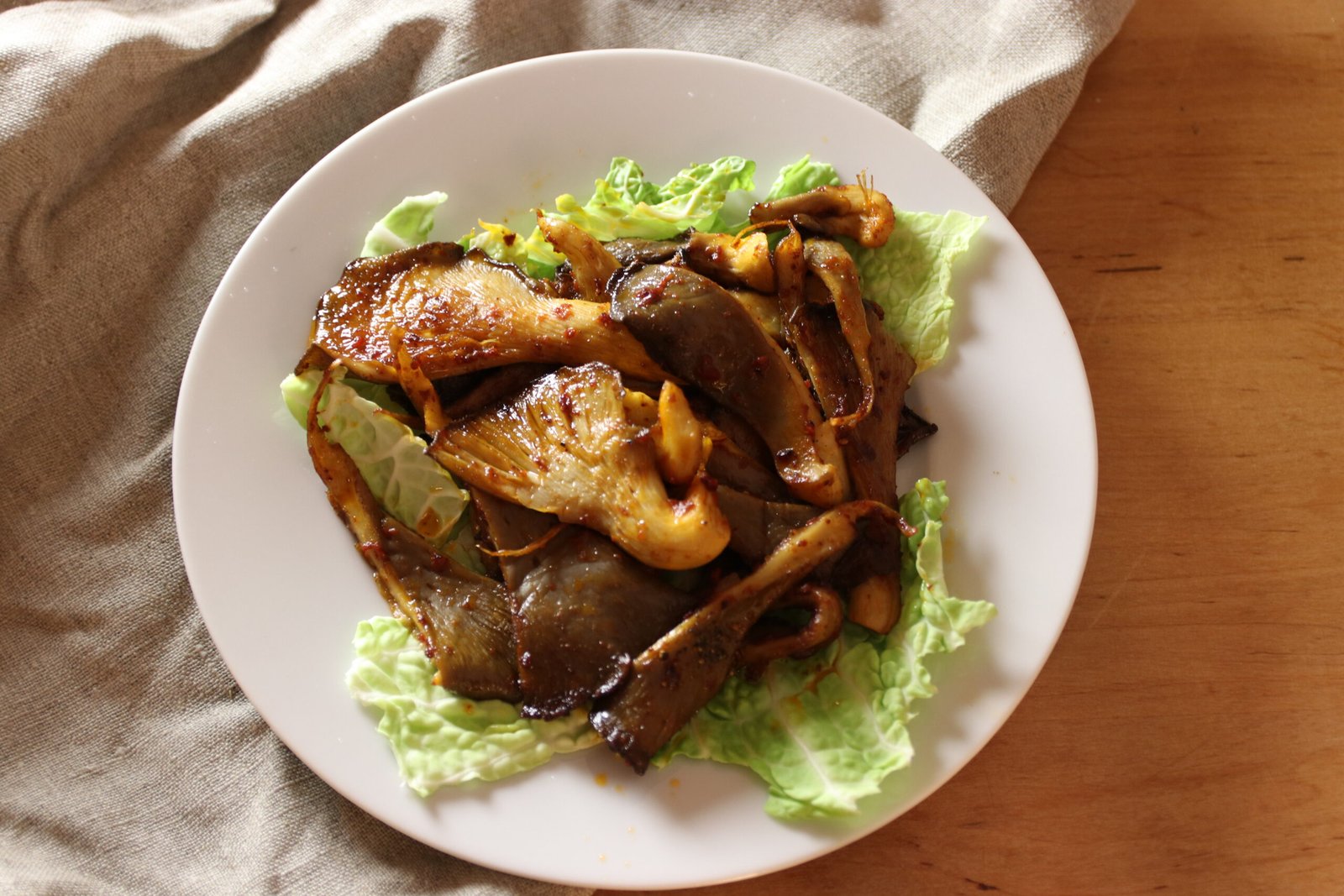
For ideas on what to cook, browse our mushroom recipes.
Fresh Organic Oyster Mushrooms and Home Grow Kits from Stoff’n
The shorter the time between harvest and pan, the better the texture, aroma and freshness of oyster mushrooms. On our organic mushroom farm in Schleedorf near Salzburg, Austria, we grow oyster mushrooms on pasteurised organic straw, inoculated with organic grain spawn we make ourselves. Our mushroom cultures are EU organic certified.
If you’d like to watch them grow and harvest just before cooking, the Fresh Mushroom Box brings mushroom growing to your kitchen counter, with either Blue or Golden Oyster mushrooms:
- Ready to fruit: The organic substrate arrives fully colonised with mushroom mycelium.
- Simple care: Open the box, place it somewhere bright but out of direct sunlight, and mist it with water twice a day.
- Quick harvest: After about two weeks the first mushrooms appear, and four to five days later they’re ready to pick. A second harvest usually follows.
- For bigger harvests: The Organic King Oyster Grow Kit XXL gives three to four flushes.
- DIY growing: For straw bales or bucket setups, our shop also offers fresh organic oyster mushroom grain spawn made on our farm. Our guide How to Grow Mushrooms Indoors shows you how.
Frequently Asked Questions About Ergothioneine and Oyster Mushrooms
Do dried oyster mushrooms still contain ergothioneine?
Yes. Thanks to its stable thione structure, ergothioneine survives gentle drying well. With the water removed, dried oyster mushrooms contain much more per gram than fresh ones.
Why do oyster mushrooms have more ergothioneine than button mushrooms?
How much ergothioneine a mushroom makes depends on its genetics and metabolism. The wood- and straw-decomposing species of the Pleurotus genus usually contain considerably more in analyses than the compost-grown button mushroom (Agaricus bisporus).
What is the best way to cook fresh oyster mushrooms?
Don’t soak or rinse oyster mushrooms, as they soak up water like a sponge. Brush off any bits of substrate, tear the clusters into bite-sized strips, and sear them in a hot pan with oil or butter until the edges turn golden brown.
Sources include: Kalaras, M. D. et al. (2017): Mushrooms: A rich source of the antioxidants ergothioneine and glutathione. Food Chemistry 233, 429–433.