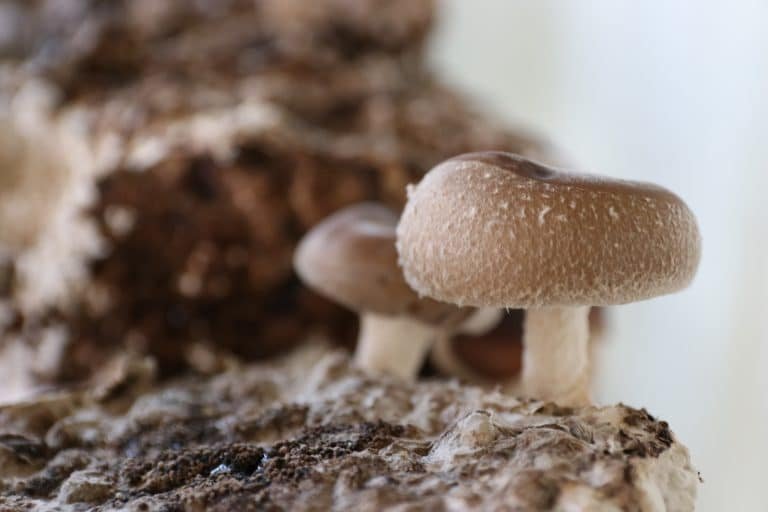

Mushrooms aren’t a new discovery in the kitchen, but cooks in many cultures have long known what the rest of us are catching up on: they aren’t just a side dish. Treated properly, they can be the centre of a meal.
This guide brings together the essentials on the most important edible mushrooms, from how they taste to how to cook, store and grow them.
What are edible mushrooms?
Fungi are neither plants nor animals. They form their own kingdom. The part we eat is the fruiting body, a bit like the fruit on a tree. The organism itself, the mycelium, grows unseen through soil or wood as a fine white network of threads that breaks down organic matter.
“Edible mushrooms” means fruiting bodies that are safe to eat, as opposed to poisonous or inedible species. The line isn’t always simple: some mushrooms are only edible when cooked, and others only when young.
Safety first: This guide doesn’t teach you how to identify wild mushrooms. Never eat a wild mushroom unless you’re completely sure what it is. If in doubt, ask a local mushroom expert.
In the kitchen, mushrooms are prized for umami. They naturally contain glutamic acid, which gives them a savoury depth of flavour.
Cultivated and wild mushrooms
Cultivated mushrooms
Button mushrooms, oyster mushrooms, shiitake and king oysters grow on farms on carefully prepared substrates such as straw, sawdust, coffee grounds or compost. They’re available all year round in consistent quality, which makes them the backbone of everyday mushroom cooking.
Wild mushrooms
Chanterelles and porcini can’t yet be farmed on a large scale, because they depend on living partner trees. Morels are a partial exception: they’re now grown outdoors on a large scale in China, although yields can be unpredictable. Wild mushrooms tend to have more complex, seasonal flavours. You can read how cultivation began in our article on the history of mushroom cultivation.
Good to know: Foraging rules vary by country and region, so check them first. In Germany, for example, several species, including chanterelles, porcini and morels, are protected and may only be gathered in small amounts for personal use.
The most important edible mushrooms
Button mushroom (Agaricus bisporus)
White or brown, firm and mild, the button mushroom is extremely versatile. You can slice it thinly and raw into salads, fry it quickly over a high heat, or use it in sauces or on pizza. Its restrained flavour carries stronger seasoning well.
The brown version, often called cremini or chestnut mushroom, has a more pronounced flavour. A portobello is simply a fully grown cremini: large, meaty and excellent on the grill.
Flavour: mild and earthy. Texture: firm to juicy. Best: fried over a high heat, stuffed and baked, or thinly sliced raw.
Chanterelle (Cantharellus cibarius)
One of Europe’s best-known wild mushrooms, the chanterelle is golden yellow, with a scent of apricot and pepper and a slightly fibrous, firm bite. In central Europe, it grows from about June to October in woodland, often near spruce and beech.
Too much heat makes it tough and dulls its flavour. It’s at its best tossed briefly in butter over a medium heat, with a little salt, thyme and a splash of white wine. Cream sauces are the classic partner.
Flavour: fruity, peppery and slightly earthy. Texture: firm and slightly fibrous. Best: tossed in butter, in sauces, with pasta and eggs.
Porcini (Boletus edulis)
Also known as cep, porcini are stocky and robust, with a light brown cap and a thick, pale stem. The flavour is sweetish, nutty and deep, and it becomes even stronger when dried.
Fresh porcini are mainly found in late summer and autumn, and they’re usually expensive. Dried porcini are available all year and are hardly less valuable in the kitchen. Even a small piece can transform a sauce.
Flavour: deep, nutty, slightly sweet, with strong umami. Texture: firm and meaty. Best: fried in olive oil, with risotto, pasta and polenta, or dried in stocks and sauces.
Shiitake (Lentinula edodes)
Shiitake are among the world’s leading cultivated mushrooms and have been part of Asian cooking for centuries. The flavour is expressive: smoky, meaty and slightly sweet, with clear umami. Dried, they’re an essential seasoning in Chinese and Japanese cooking.
Cook shiitake thoroughly, because raw or undercooked ones can cause a rare skin reaction. Read more in our guide to shiitake mushrooms. The stems are often tough, so they’re better used for stock.
Flavour: intense, smoky, with deep umami. Texture: juicy and chewy. Best: fried in a hot pan, in soups, ramen and stir-fries.
Oyster mushroom (Pleurotus ostreatus)
Oyster mushrooms grow in clusters on hardwood and are easy to grow at home. They get their name from their shell-like caps, which are fan-shaped and pale grey to creamy white. The flavour is mild, and they take on other flavours very well, such as soy sauce, garlic and miso.
Relatives include the pink oyster and the golden oyster, each with its own character but similar cooking behaviour.
Flavour: mild and delicate. Texture: tender and slightly fibrous, crisping up over high heat. Best: fried hot and dry, pulled, or in Asian dishes.
King oyster (Pleurotus eryngii)
The king oyster has a thick, firm stem that’s completely edible and makes up most of the mushroom, while the cap stays quite small. Its firm flesh has been compared to scallops, and the flavour is nutty and mild. Fried in butter over a high heat, it develops a golden crust.
It’s one of the best mushrooms for replacing meat on the grill or in the pan. You can also grow king oysters yourself.
Flavour: mild, nutty and buttery. Texture: very firm. Best: cut into thick slices, then fried or grilled.
Bay bolete (Imleria badia)
Less famous than porcini but full of character, the bay bolete often grows in large numbers in conifer woods and is a popular mushroom to gather in central Europe. The cap is chestnut brown and the flesh pale and firm. When cut, it turns slightly blue, which is normal and not a sign that it’s gone off.
It cooks much like porcini, and it’s especially good in braises, ragouts and soups.
Morel (Morchella esculenta)
Morels are one of the first signs of spring for foragers. They’re unmistakably honeycombed, cone-shaped and ochre to brown, although dangerous false morels exist, so take particular care. The flavour is deep, earthy and slightly smoky.
Always cook morels thoroughly, because they’re toxic raw. Dried morels are available all year and are classic in cream sauces with veal or poultry.
When do they grow?
Wild mushrooms depend on weather, soil and light, so these central European seasons are only a guide.
| Mushroom | Main season | Type |
|---|---|---|
| Button mushroom | All year | Cultivated |
| Oyster mushroom | All year | Cultivated |
| King oyster | All year | Cultivated |
| Shiitake | All year | Cultivated |
| Morel | March–May | Wild |
| Chanterelle | June–October | Wild |
| Bay bolete | August–November | Wild |
| Porcini | August–October | Wild |
| Horn of plenty | September–November | Wild |
Mushroom nutrition
Mushrooms are about 85–93% water and low in calories, typically around 20–35 kcal per 100 g.
Protein: They contain some protein with a broad range of amino acids, but at only a few grams per 100 g, they’re more of a meaty ingredient than a major protein source.
B vitamins: Mushrooms are a good non-animal source of B2 (riboflavin), B3 (niacin) and B5.
Vitamin D: Mushrooms contain ergosterol, which UV light converts into vitamin D2. The amount depends on how much UV light they received.
Minerals: Mushrooms contain potassium, phosphorus, zinc, selenium and copper in varying amounts.
Fibre: Their cell walls contain chitin, the same material found in insect shells, and beta-glucans. Both count as dietary fibre.
What about research?
There’s a growing body of research on compounds in mushrooms, including beta-glucans and ergothioneine, an amino acid found in especially high levels in mushrooms. Much of it is still at an early stage, so we don’t make any health claims here. Mushrooms are food, not medicine.
Cooking basics
The main problem: water
Mushrooms release a lot of water as they heat up. If your pan is too full or not hot enough, they’ll stew rather than fry, and turn out watery and bland. Use high heat, cook a few at a time, and give them plenty of room.
Fat and heat
Fat carries flavour. Butter is the classic choice, olive oil suits Mediterranean dishes, and sesame oil works well in Asian cooking. Get the fat hot before the mushrooms go in, and don’t stir for the first minute or two, so that they can brown.
When to add salt
Salt draws out water, so adding it too early can prevent browning. It’s best to salt once the mushrooms are golden.
Cleaning
A wipe with a damp cloth or a very quick rinse is enough. Don’t soak fresh mushrooms. Cultivated mushrooms are rarely very dirty. For wild mushrooms, a soft brush or an old toothbrush helps with soil around the gills and stem.
How to cook edible mushrooms
Pan-frying
This is the best all-round method for most edible mushrooms. Heat the pan well, add the fat and spread out the mushrooms in a single layer. Turn them once they’re golden underneath, after 1–2 minutes. Now add salt, garlic and herbs. A splash of white wine, sherry or tamari at the end adds extra depth. You can try it with our noodle pan with oyster mushrooms.
Roasting
At 200 °C on a baking tray, mushrooms develop a concentrated, almost caramel-like sweetness. This is ideal for king oysters, button mushrooms and oyster mushrooms. Add olive oil, salt, a little thyme and some lemon zest, and they’ll be ready in about 20 minutes.
In soups and stocks
Soak dried porcini or shiitake in hot water. Strained through a fine sieve, the soaking water makes a concentrated mushroom stock for soups, risotto and sauces.
Raw
Button mushrooms are the usual choice for eating raw, in small amounts: very thinly sliced and marinated with lemon, good oil, salt and a little grated Parmesan. Cook all other edible mushrooms, for flavour and digestibility, and in some cases for safety.
Grilling
King oysters and portobello mushrooms are especially good on the grill, because they handle high direct heat well and develop a dark, smoky crust. King oysters marinated in miso butter make an excellent vegetarian dish.
Flavour pairings
| Mushroom | Goes with | Classic dishes |
|---|---|---|
| Button mushroom | Garlic, thyme, cream, Parmesan, eggs | Creamy mushroom sauce, stuffed mushrooms, omelette |
| Chanterelle | Butter, shallots, white wine, cream, egg, parsley | Chanterelle cream sauce, tagliatelle, scrambled eggs |
| Porcini | Olive oil, rosemary, Parmesan, thyme, polenta | Porcini risotto, porcini tagliatelle |
| Shiitake | Soy sauce, mirin, ginger, sesame oil, garlic | Ramen, stir-fries, miso soup |
| Oyster mushroom | Garlic, soy sauce, butter, lemon | Pulled mushroom burger, pasta, braised in miso |
| King oyster | Miso, butter, lemon, rosemary, tamari | Grilled king oysters, vegetarian “steak” |
| Morel | Cream, sherry, veal stock, tarragon | Morel sauce with veal, morel omelette |
How to store mushrooms
Fresh mushrooms
Keep fresh mushrooms in a slightly open paper bag in the fridge. Plastic film and airtight containers aren’t ideal, because mushrooms need some air so they don’t sweat. As a guide, button mushrooms and king oysters keep for up to a week, oyster mushrooms and shiitake for three to five days, and chanterelles and porcini for two to three days. Cook wild mushrooms as soon as you can.
Freezing
Freezing mushrooms raw isn’t a good idea, because they turn mushy when thawed. Blanch them briefly or fry them for a few minutes, let them cool and freeze in portions. They’ll keep for up to about 12 months and can go straight from the freezer into sauces and soups.
Fresh or dried?
It depends on the dish. Fresh mushrooms offer texture and juiciness. Dried mushrooms offer a more intense, deeper flavour. Often the best answer is both: fresh mushrooms as the main ingredient, with a few soaked dried ones and their soaking water for depth.
Growing edible mushrooms at home
Ready-made kits for oyster mushrooms and other species make home growing easy, even with no experience. You can harvest your mushrooms minutes before cooking them.
Start with a grow kit
A ready-made grow kit is the easiest and safest start, because the substrate is already colonised. Follow its instructions, which usually mean a bright, cool spot out of direct sun and a light daily spray. Your first harvest is often possible within a couple of weeks. Oyster mushrooms are especially good for beginners, as they grow quickly and aren’t demanding.
Substrate
If you want to go further, you can make your own substrate. Oyster mushrooms grow on straw, sawdust, coffee grounds or cardboard, while shiitake prefer hardwood. Simple substrates such as straw can be pasteurised, but rich ones with added bran need to be sterilised. Our guide to common growing mistakes explains the difference.
The four stages
Growing mushrooms involves four stages: inoculation, incubation (when mycelium grows through the substrate, typically for 2–3 weeks), fruiting (often triggered by changes in temperature, light and fresh air) and harvest. Between harvests, or flushes, there’s often a rest of about two weeks, and most blocks give two or three flushes.
Which mushrooms can you grow at home?
Oyster mushrooms in all colours, shiitake, king oysters and lion’s mane all grow well at home. Button mushrooms are possible, but more demanding. Porcini and chanterelles depend on partner trees, and morels are very hard to grow at home.
Sustainability
Mushrooms grow on organic materials, often by-products such as straw, coffee grounds and sawdust, and turn them into food. Compared with meat, they generally need far less land and water. The spent substrate can also be composted afterwards.
If you gather wild mushrooms, do it with care: take only what you need and only what you know, and be careful not to damage the surroundings.
Common cooking mistakes
- Too many mushrooms in the pan: A full pan cools the fat, so the mushrooms stew in their own juices. Cook in two batches.
- Salting too early: Wait until the mushrooms are golden.
- Cooking delicate mushrooms for too long: Oyster mushrooms and chanterelles can turn rubbery or tough. Wild mushrooms and shiitake must still be properly cooked through.
- Throwing away the soaking water: Strain it through a fine cloth or coffee filter, and use it for stock or sauce.
- Soaking fresh mushrooms in water: A quick wipe is enough.
- Harvesting home-grown mushrooms too late: Pick before the cap edges curl upwards. With oyster mushrooms, heavy spore release can begin soon after.
Edible mushroom FAQ
Which edible mushrooms are the most popular?
In central Europe, popular choices include button mushrooms, chanterelles, porcini, shiitake, oyster mushrooms and king oysters. Button mushrooms make up the vast majority of mushrooms grown in Germany.
Can you eat edible mushrooms raw?
Button mushrooms are commonly eaten raw in small amounts. Other common edible mushrooms should be cooked. Morels and shiitake are particularly important to cook thoroughly.
How should I store fresh mushrooms?
In a slightly open paper bag in the fridge. Depending on the type, they’ll last about two to seven days.
Can you freeze mushrooms?
Yes, but it’s best to blanch or fry them first. Then freeze in portions for up to about 12 months.
Which mushroom is the best meat substitute?
For texture and umami, king oysters, oyster mushrooms and shiitake all work well. Thick slices of king oyster are especially impressive on the grill, and portobello mushrooms are a good size for burgers.
How can I tell if mushrooms have gone off?
Throw them out if they’re slimy, badly discoloured, or smell sour or rotten. Mushrooms that are slightly dried out but still firm and neutral-smelling can usually still be used in soups or sauces.
Cooking with mushrooms
Mushrooms need the right heat, the right fat and the right moment. Once you understand that, every type has something different to offer.
To learn more, read our Meet the Mushrooms articles, including our guide to the shaggy ink cap, try our mushroom recipes, or start growing your own with a grow kit.